Tag Archives: money

Empowering Financial Resolutions for 2024

Charting a Path to Prosperity

In 2024, as we embark on a new year, it presents the perfect opportunity to transform your financial resolutions from mere aspirations into empowering steps toward achieving your dreams. The journey to financial fitness is not solely about numbers; it is about crafting a life filled with accomplishment, peace of mind, and long-term security.

You can make this year your most prosperous by setting clear goals, creating a comprehensive budget, exploring investment opportunities, and continuously educating yourself about personal finance. So, let’s embrace this exciting journey together and make every decision count for a brighter financial future! 

Resolution 1: Forge Your Financial Blueprint

Imagine a future where your finances support your day-to-day needs and fuel your wildest dreams and aspirations. It all starts by meticulously constructing a well-thought-out budget that aligns perfectly with your unique life goals, ensuring that every dollar is allocated purposefully and strategically.

In this financial utopia, you embrace the powerful philosophy of “paying yourself first” – a mindset that compels you to prioritize saving and investing, allowing your wealth to grow steadily over time. By consistently setting aside a portion of your income, you are actively building a solid foundation for long-term financial success.

To gauge your progress and stay on track, it is essential to calculate your net worth annually. This comprehensive evaluation provides:

  • A holistic view of your financial health.
  • Giving you insights into your assets and liabilities.
  • Overall progress toward achieving your financial goals.

Strategic planning becomes your secret weapon when confronted with significant expenses or future financial milestones. You can confidently navigate these milestones without derailing your economic well-being by proactively saving and investing in ways that align with your specific time horizons.

Safeguarding your living-expense money becomes paramount for those approaching retirement or already in their golden years. By adopting a conservative investment approach, you can protect your hard-earned savings while still generating a steady income to support your desired lifestyle during retirement.

Life is unpredictable, and that’s where the importance of an emergency fund becomes evident. Creating a safety net for life’s unexpected twists and turns offers you peace of mind and financial security, allowing you to weather any storm that comes your way without compromising your long-term financial goals.

So, picture this future where your finances are not just a means to an end but a powerful tool that propels you toward the life you’ve always envisioned. Start today by constructing a budget, embracing the philosophy of “paying yourself first,” calculating your net worth, planning for future expenses, safeguarding your retirement, and creating an emergency fund. With these proactive steps, you can transform your financial journey and make your dreams a reality.

Resolution 2: Master Your Debt

Debt can be a powerful financial tool if used wisely and managed effectively. By carefully working your debt load, you can ensure that life’s pleasures and necessities remain within reach without overwhelming yourself. One effective strategy is eliminating high-cost, non-deductible consumer debt, allowing you to allocate your resources more efficiently. Another approach is to align your repayment terms with your life’s timeline, enabling you to balance your financial obligations with your long-term goals.

Additionally, it is worth considering the benefits of refinancing or consolidating debt, which can help optimize your repayment strategy and potentially reduce the overall cost of debt. By taking these proactive steps, you can leverage the potential of debt while maintaining a healthy financial outlook.

Resolution 3: Cultivate Your Investment Garden

Ensure the prosperity of your investments by prioritizing a well-rounded and diversified portfolio. By diversifying across various asset classes and within them, you can effectively minimize risk while maximizing your growth potential.

Additionally, it is essential to remember the impact of taxes when allocating your assets. To maintain alignment with your goals and adapt to life changes, make it a habit to monitor and rebalance your portfolio regularly. This diligent approach will help you navigate the ever-changing investment landscape with confidence.

Resolution 4: Safeguard Against the Unknown

Life is full of unexpected twists and turns, but being prepared can make all the difference. Take proactive steps to protect yourself and your loved ones by investing in comprehensive insurance plans covering various life aspects. Consider health insurance for medical expenses, life insurance for financial security, disability insurance for income protection, property insurance for safeguarding your assets, and liability insurance for unforeseen circumstances.

Additionally, don’t overlook the significance of long-term care insurance to ensure you have the necessary support in your golden years. Lastly, create a well-thought-out disaster plan to safeguard your assets and provide peace of mind. Taking these precautions allows you to navigate life’s uncertainties with confidence and security.

Resolution 5: Preserve Your Legacy

An estate plan is not just a legal document; it’s your heartfelt love letter to the future. It ensures that your hard-earned assets and beloved dependents are taken care of exactly as you desire. To maintain the effectiveness of your estate plan, it is crucial to review and update beneficiary designations and your will regularly.

Additionally, coordinating asset titling with your estate plan can help streamline the distribution process. In more complex situations, establishing trust may be warranted to provide added protection and flexibility. Lastly, it is crucial to ensure that your estate documents are easily accessible to trusted individuals who can carry out your wishes with confidence and care.

In 2024, seize the opportunity to build a brighter financial future. This year is not just a simple milestone; it’s a chance to embark on a transformative journey toward abundance and peace of mind. Embrace these resolutions as your stepping stones, each one paving the way to a life filled with financial prosperity and the realization of your dreams.

Remember, taking them one at a time will allow you to witness the remarkable transformation of your financial health, bringing you closer than ever to the life you’ve always envisioned.


Start the Year Right: 4 Tips for Financial Wellness in 2024

As one year transitions into another, we always see a sudden rush to get or start getting your financial house in order. A lot of bulleted or numbered lists come out of things to do without necessarily explaining why you need to do it. Maybe the assumption is that you already know which begs the question if you did know, wouldn’t your finances already be in order?

The reality is that many people who live in the US are not financially literate or put another way they don’t fully understand the language of money. That lack of understanding is what leads to having a financial mess on your hands. Let’s be clear though – IT’S NOT THEIR FAULT!

Nowhere in the education system of this country is financial literacy CONSISTENTLY taught. As a former public school educator that had a previous career in finance Ms. ME found it particularly amusing that sometimes the courses that were offered were taught by individuals who lacked financial know-how themselves. This glaring absence of competent & consistent education leads to almost half of the population not knowing things that are key to keeping your bank accounts and overall finances in the black.

howmoneyworks.com/marieedwards/challenge

Think we’re kidding? Take the quiz on the website above and then post your score in the comments below if you’re brave. Are you financially literate?

If you get a score that you feel is too low to post, here’s how you change it. Register for this free course happening January 4th at 8 PM EST and increase your financial literacy in record time!

Well regardless of what score you get we’re going to give you our bulleted list and the reasons for each. But at the end of the day it’s on you to take the actions we suggest or risk another year in the same financial state or a worse one.

steps leading to financial wellness

4 Steps to Financial Wellness

1 – Know your current situation

Does your doctor diagnose you without first giving you an examination? Of course not! The same goes for the financial pro you work with; they can’t give you a prescription for financial wellness without knowing where you are right now. To do that, YOU have to take an honest look at where you are right now. How much do you earn in a month? How much does it cost for you (and your family) to exist from month to month? Where is your money currently going? Knowing those things are key to either taking the next steps yourself or working with your financial pro on the next steps.

2 – Eliminate the unnecessary

This one is often difficult because here in the US advertising has convinced so many that they need everything they see to be happy. You really have to step back and determine what actually is a need versus a want. Does that mean you can’t have any wants? ABSOLUTELY NOT!! But sometimes you end up wanting something to, as that old saying goes, keep up with the Joneses instead of satisfying some intrinsic desire. Buying things to impress people you don’t like or who don’t contribute positively to your life should not be something you continue to do. So cut it out!

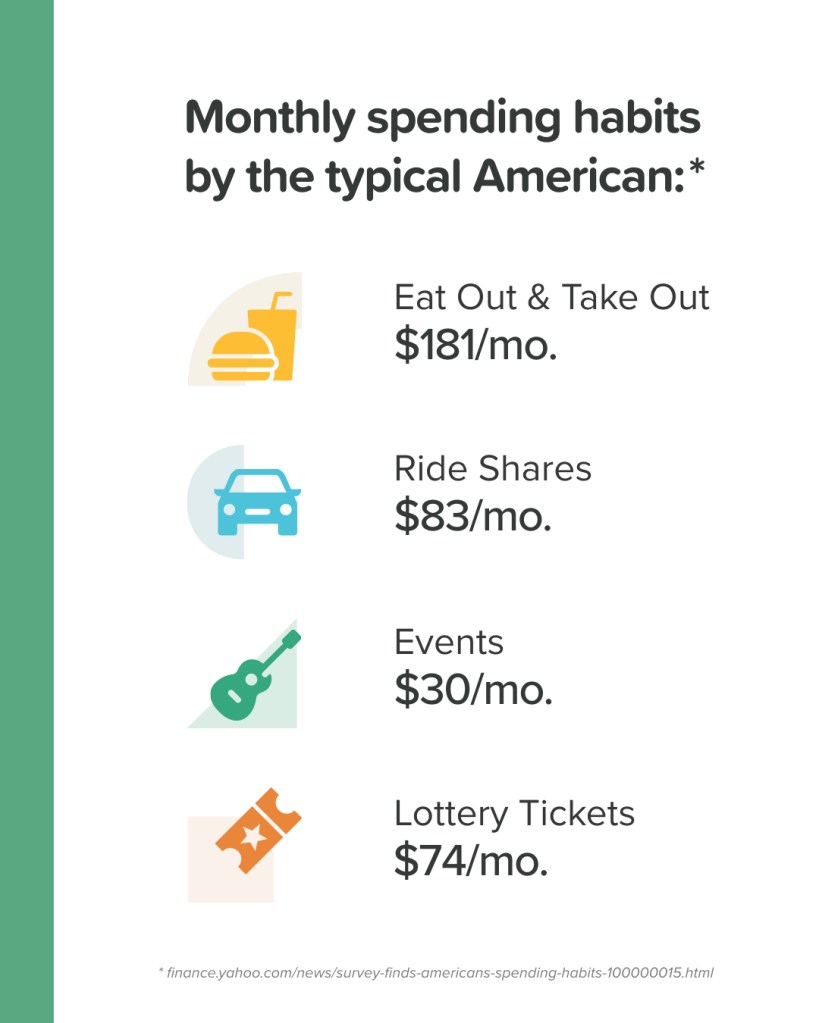
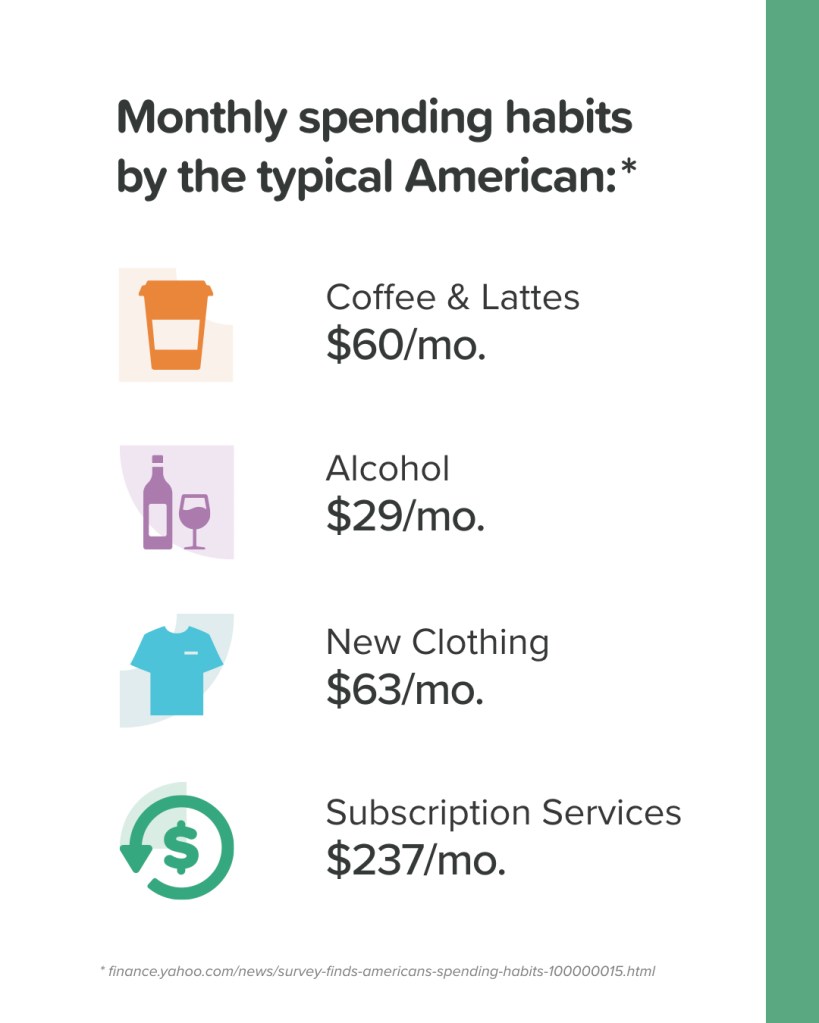
Then start looking at other ways you might be spending more than you have to like on overpriced bill that you haven’t price-shopped in a while like internet or insurance. Or perhaps you have some of the habits below that you’d like to adjust or eliminate entirely.

3 – Set some goals

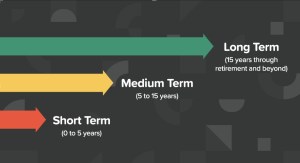
We all want things but often don’t think about those wants any further out than one to three years. That short-term thinking does not add up to financial wellness. It’s great to have short-term goals but make sure they are realistic. If you have no savings, buying a home is more of a mid or long term goal, not a short-term one. So after completing the first two steps, write out what you want and then put some timeframes beside them. Here’s a guide to help group those wants:

4 – Make a plan

    The last step is to make a plan to reach those goals. Making the plan ranges in complexity based on how many goals you have. But the even harder part for many is following the plan. If you need help with this or any of the previous steps, don’t forget to come to the FREE live class on January 4, 2024 at 8 PM ET. We’ll be sharing a free tool to help with one or more of the steps and introducing our community to find help when you need it.

    Save for the Unexpected

    You’ve probably heard it before a million times. You need an emergency fund of 3 to 6 months. Maybe you brushed it off as not urgent or maybe even unimportant. And then the world came to a screeching halt in 2020.

    Now here we are in 2022 and maybe you’ve fully adapted to the world post-COVID-19. So what are you doing to be ready to bounce back from the next global event? Did you use that stimulus to start your emergency fund?

    It really isn’t a question on whether or not you need an emergency fund.

    (You do.) It’s the first line of defense when unexpected expenses show up (and they will—have kids?). Unforeseen emergencies threaten to undo your hard work and careful financial planning.

    But what exactly is an emergency fund? What should it look like? And how do you start building one if you don’t have a sack of cash lying around?

    What’s an emergency fund… and why do you need one? 

    An emergency fund is a dedicated amount of money to cover unplanned, unavoidable expenses. Establishing one is an important milestone on your journey to achieving financial independence! But why is it such a big deal?

    Emergencies are a part of life. Nobody schedules a busted transmission or a broken arm, but you’ll need a way to pay for them when they happen. Who would have guessed that a global pandemic would force most of us to stay at home and cost millions of Americans their jobs? So it’s not a question of if you’ll need to cover something unexpected but how you’ll cover it. Without an emergency fund, you’ll be forced to either dip into your long-term savings (assuming you have them) or go into debt. For most people, either option can seriously throw off long-term financial plans. An emergency fund gives you the power to overcome sudden obstacles without sacrificing your retirement or piling up credit card bills.

    Emergency fund ins and outs  One critical thing to grasp is that an emergency fund isn’t the same as your savings. Establishing a solid emergency fund is not a long-term goal that’s built over years or decades. Once the emergency fund is full, then you move on to other money milestones like conquering debt and saving for the future.

    So how do you know you have enough in your fund? That depends on how much you make. A good rule of thumb is that an emergency fund should cover 3 to 6 months of income. That provides a buffer if you have an unexpected car repair, medical emergency, or if you’re temporarily unemployed due to an unprecedented global pandemic!

    But what if you don’t have that much cash just lying around?  3 to 6 months of income might seem like a lot of money to set aside, especially if you’re currently living paycheck to paycheck. Building an emergency fund will take time and budgeting. Start with a goal of saving 2 weeks of pay. Then shoot for 1 month, then 2 months, etc., until you reach your goal.

    The 2 Rules of Emergency Funds

    Rule 1: An emergency fund is only, ONLY to be used in case of actual emergencies. It’s not for last minute getaways, much needed spa days, or killer video game sales. If those kinds of things come along, you can use a “fun fund”, which of course is part of your regular budget! (We’ll talk more about your “fun fund” in a later post.)

    Rule 2: The emergency fund needs to be easily accessible. Make sure it’s in an account where you won’t incur fees for withdrawals when your car breaks down or you suddenly need a new AC unit. That’s why it’s there. Just remember to refill it as soon as the emergency has passed.

    Once you’ve built your emergency fund and know the rules, you’re ready to move on to the next stages of building wealth.🎉Congratulations! You’re officially not broke and in the perfect position to chase your financial future!

    If you’re ready to start your savings journey but not sure where to begin, check out these 7 Steps to Start Your Savings Journey from AmericaSaves.org.

    Or if you prefer some help, meet with a financial advisor for a free consultation to figure it out. 

    What we’ve been doing on our hiatus – pt 2

    How the new office started Yes we've been on hiatus & you haven't been getting your 3 weekly posts in March, but here's why

    The same images but with the word descriptions that were supposed to be displayed in part 1.

    And now for part 2 photos…

    How the new bedroom started... did you want the director of content sleeping on the floor?

    Millennials, want to catch a 🆓 version of the personal finance class your Boomer parents should have made sure was available to you when you were a kid? Click here to register for the class happening Thursday, July 1sy at 8 PM EST.

    Millennials only!!! (born between 1980 and 1995)

    Furnish Your Home Without Breaking Your Bank

    Furnishing your house can be pricey.

    One interior decoration blog estimated that decorating a living room from scratch could cost between $14,400 to almost $50,000!(1) The numbers for the dining room, bedrooms, and kitchen are similarly high. Furnishing an apartment averages about $6,000.(2) But is there a better way? How can you save some cash if you’re trying to furnish your home? Here are a few helpful tips to guide your decorating process!

    Photo by Negative Space on Pexels.com

    Plan and prioritize
    Start by taking stock of what furniture you have that can be used in your new home. Some of it might work in your new home, some of it might not. Try to get an idea of what existing furniture will go where and make note of new items you’ll need.

    Arrange your list of new items in order of importance and buy those first. Mattresses for your bedroom? Top of the list. Abstract modern art to hang in your bathroom? Maybe hold off on that until you’ve taken care of the essentials!

    Paint
    Concerned that your kitchen is a little drab? Worried that your table cloth doesn’t match your dining room? You might be surprised how far a new paint job will get you! It might be a more budget-friendly way to spice up your living situation than tossing all your old furniture out the door, especially if you do it yourself. Things like tables and wooden chairs are all potential candidates for a new coat of paint, as are the walls of your home.

    Photo by Breakingpic on Pexels.com

    Shop smart
    But there’s no doubt that at some point you’ll need to get a new piece of furniture. What then? Cough up and pay a ridiculous price? You might be surprised by the resources available to acquire furniture at a bargain. Local thrift stores can be treasure troves for things like chairs, coffee tables, and bookcases. Craigslist and eBay are also worth investigating, as are estate and garage sales. And you can always scour the curbs for a free sofa if you’re feeling bold!

    Furnishing your new house can be fun. It’s a chance to unleash your creativity and make your home a special place. Just make sure you follow these budget-friendly tips before you start indulging!

    (1) https://www.kathykuohome.com/blog/budget-breakdown-how-much-does-it-cost-decorate-a-room/

    (2) https://medium.com/@ColonialVanLinesInc/how-much-does-the-average-person-spend-on-furniture-8a0a6ba179ca