All posts by ECVtalks

4 Big reasons to fix meals at home instead of eating out

Right now in the US we’re all at a certain level of sheltering in place at home. While we all love to eat out, it might not be as easy to do depending upon your location and what phase of reopening your community is in. So besides the obvious obstacle, what are some other reasons to eat at home or at least put eating at home in a positive light?

Spending some precious quality time with your family.

Photo by August de Richelieu on Pexels.com

In a lot of homes, family dinner was a thing of the past prior to this global pandemic. We were all just too busy doing other things outside of the home. This can be a good time to reconnect with your family, not just around the dinner table but in the kitchen during meal prep.

So many mothers in particular are sharing their frustration with having to make a never ending series of meals during quarantine. Get your kids to get in there and help. As the good book says:

 If anyone does not want to work, neither let him eat.

2 Thessalonians 3:10

Cooking with kids gives you an opportunity to teach them to make healthy food choices. It also allows them to have hands-on learning with fresh, affordable foods. Just call it Home Economics! (Remember that class?)

Getting a refill on your drink as soon as it’s empty.

We’ve all been there. Even with the best waitress or waiter in the world, you end up sitting for a minute or two looking at the bottom of an empty glass. At home there’s no need to sing like Elle Varner; just get up and get your refill.

Another benefit is if you partake of alcoholic drinks, no worries over whether the drinks are being made with a really light pour. You know what we’re talking about; the barely there tequila in your margarita or the mostly Coke & a whisper of rum in your Cuba Libre. You know exactly how strong (or weak) the drink is going to be when you make it at home AND you don’t have to buy another drink for a refill.

Avoiding that restaurant markup.

Each ingredient at your favorite restaurant has a markup. (Obviously – otherwise they wouldn’t be in business very long.) But how much do you think they mark up their meals? 50%? 100%? Nope. The average markup for each ingredient at a restaurant is 300%! A $9 hamburger (that’s right – without cheese) at a diner would cost you less than $2 to make at home. If you’re trying to stretch your dollars, cutting back on restaurant-prepared meals can make a big difference.

Cooking at home can improve your health.

A recent study conducted by the University of Washington found that those who cooked at home 6 times per week met more of the US Federal guidelines for a healthy diet than those who cooked meals at home 3 times per week. In other words, if you’re eating at home more often than you’re eating out, you’re more likely to be getting in your fruits, veggies, and other essentials of a balanced diet.

Taking better care of your health and saving money? Now that’s a reason to fire up the backyard grill!
Wishing you wellness!

Sources:
Plate IQ: “Should You Get the Guacamole on Your Burrito? A Price Analysis of Your Favorite Foods.” 4.3.2018
ScienceDaily: “Cooking at home tonight? It’s likely cheaper and healthier, study finds.” 3.14.2017

5 Things to Consider when Starting Your Own Business

Does anything sound better than being your own boss?

Well, maybe a brand new sports car or free ice cream for life. But even a state-of-the-art fully-decked-out sports car will eventually need routine maintenance, and the taste of mint chocolate chip can get old after a while.

The same kinds of things can happen when you start your own business. There are many details to consider and seemingly endless tasks to keep organized after the initial excitement of being your own boss and keeping your own hours has faded. Circumstances are bound to arise that no one ever prepared you for!

checklist

Although this list is not exhaustive, here are 5 things to get you started when creating a business of your own:

1. Startup cost

The startup cost of your business depends heavily on the type of business you want to have. To estimate the startup cost, make a list of anything and everything you’ll need to finance in the first 6 months. Then take each expense and ask:

  • Is this cost fixed or variable?
  • Essential or optional?
  • One-time or recurring?

Once you’ve determined the frequency and necessity of each cost for the first 6 months, add it all together. Then you’ll have a ballpark idea of what your startup costs might be.

(Hint: Don’t forget to add a line item for those unplanned, miscellaneous expenses!)

2. Competitors

“Find a need, and fill it” is general advice for starting a successful business. But if the need is apparent, how many other businesses will be going after the same space to fill? And how do you create a business that can compete? After all, keeping your doors open and your business frequented is priority #1.

The simplest and most effective solution? Be great at what you do. Take the time to learn your business and the need you’re trying to fill – inside and out. Take a step back and think like a customer. Try to imagine how your competitors are failing at meeting customers’ needs. What can you do to solve those issues? Overcoming these hurdles can’t guarantee that your doors will stay open, but your knowledge, talent, and work ethic can set you apart from competitors from the start. This is what builds life-long relationships with customers – the kind of customers that will follow you wherever your business goes.

(Hint: The cost of your product or service should not be the main differentiator from your competition.)

photo of person handing card
Photo by energepic.com on Pexels.com

3. Customer acquisition

The key to acquiring customers goes back to the need you’re trying to fill by running your business. If the demand for your product is high, customer acquisition may be easier. And there are always methods to bring in more. First and foremost, be aware of your brand and what your business offers. This will make identifying your target audience more accurate. Then market to them with a varied strategy on multiple fronts: content, email, and social media; search engine optimization; effective copywriting; and the use of analytics.

(Hint: The amount of money you spend on marketing – e.g., Google & Facebook ads – is not as important as who you are targeting.)

4. Building product inventory

This step points directly back to your startup cost. At the beginning, do as much research as you can, then stock your literal (or virtual) shelves with a bit of everything feasible you think your target audience may want or need. Track which products (or services) customers are gravitating towards – what items in your inventory disappear the most quickly? What services in your repertoire are the most requested? After a few weeks or months you’ll have real data to analyse. Then always keep the bestsellers on hand, followed closely by seasonal offerings. And don’t forget to consider making a couple of out-of-the-ordinary offerings available, just in case. Don’t underestimate the power of trying new things from time to time; you never know what could turn into a success!

(Hint: Try to let go of what your favorite items or services might be, if customers are not biting.)

5. Compliance with legal standards

Depending on what type of business you’re in, there may be standards and regulations that you must adhere to. For example, hiring employees falls under the jurisdiction of the Department of Labor and Federal Employment Laws. There are also State Labor Laws to consider.

(Hint: Be absolutely sure to do your research on the legal matters that can arise when beginning your own business. Not many judges are very accepting of “But, Your Honor, I didn’t know that was illegal!”)

Starting your own business is not an impossible task, especially when you’re prepared.

One other vital thing that makes starting your business easier is having a plan and a mentor. Register for our FREE master class happening Wednesday, August 12th at 9 PM EST to get access to both!

How to Budget for Beginners

Everybody needs a budget.

But that doesn’t stop “budget” from being an intimidating word to many people. Some folks may think it means scrimping on everything and never going out for a night on the town. It doesn’t! Budgeting simply means that you know where your money is going and you have a way to track it.

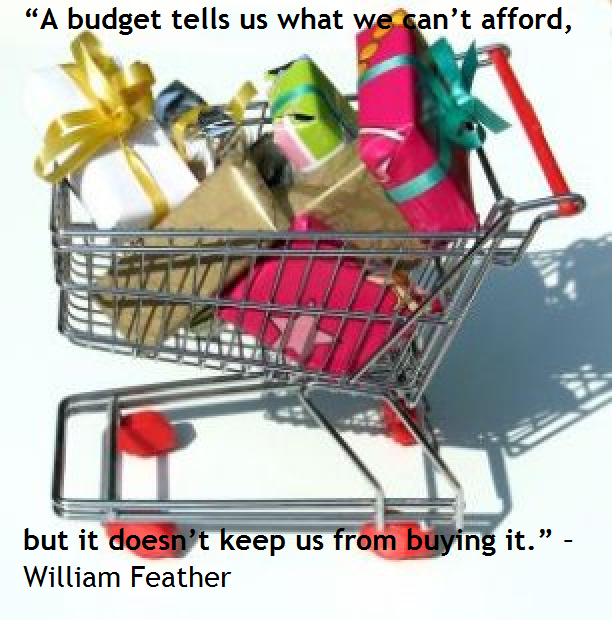
budget quoteThe aim with budgeting is to be aware of your spending, plan for your expenses¹, and make sure you have enough saved to pursue your goals.

Without a budget, it can be easy for expenses to climb beyond your ability to pay for them. You break out the plastic and before you know it you’ve spent fifty bucks on drinks and appetizers with the gang after work. These habits might leave you with a lot of accumulated debt. Plus, without a budget, you may not be saving for a rainy day, vacation, or your retirement. A budget allows you to enact a strategy to help pursue your goals. But what if you’ve never had a budget? Where should you start? Here’s a quick step-by-step guide on how to get your budgeting habit off the ground!

1. Track your expenses every day

Start by tracking your expenses. Write down everything you buy, including memberships, online streaming services, and subscriptions. It’s not complicated to do with popular mobile and web applications. You can also buy a small notebook to keep track of each purchase. Even if it’s a small pack of gum from the gas station or a quick coffee at the corner shop, jot it down. Even tiny expenses add up to sizable amounts if not tracked. Keep track of the big stuff too, like your rent and bill payments.

2. Add up expenses every week and develop categories

Once you’ve collected enough data, it’s time to figure out where exactly your paycheck is going. Start with adding up your expenses every week. How much are you spending? What are you spending money on? As you add your spending up, start developing categories. The goal is to organize all your expenses so you can see what you’re spending money on. For example, if you eat out a few times per week, group those expenses under a category called “Eating Out”. Get as general or as specific as you wish. Maybe throwing all your food purchases into one bucket is all you need, or you may want to break it down by location – grocery store, big box store, restaurants, etc.

3. Create a monthly list of expenses

Once you’ve recorded your expenses for a full month, it’s time to create a monthly list. Now you might also have more clarity on how you want to set up your categories. Next, total each category for the month.

4. Adjust your spending as necessary

Compare your total expenses with your income. There are two possible outcomes. You may be spending within your income or spending outside your income. If you’re spending within your income, create a category for savings if you don’t have one. It’s a good idea to create a separate savings category for large future purchases too, like a home or a vacation. If you find you’re spending too much, you may need to cut back spending in some categories. The beauty of a budget is that once you see how much you’re spending, and on what, you’ll be able to strategize where you need to cut back.

5. Keep going

Once you develop the habit of budgeting, it should become part of your routine. You can look forward to working on your savings and developing a retirement strategy, but don’t forget to budget in a little fun too!

¹Jeremy Vohwinkle, “Make a Personal Budget in 6 Steps: A Step-by-Step Guide to Make a Budget,” The Balance (March 6, 2020).

Healthy Financial Habits

Consistency is essential for anything, and the key to consistency is habit.

Habits are behaviors that we do so frequently that they feel second nature. So your friend who’s woken up at 5:00 AM to work out for so long that it seems normal to him? He’s unlocked the power of habit to wake up, get out of bed, and make it happen.

Healthy money habits are the same way; they open up a whole new world of financial fitness! Here are a few great habits you can start today.

Begin with a Budget
Developing a budgeting habit is foundational. Consistently seeing where your money is going gives you the power to see what needs to change. Notice in your budget that fast food is hogging your paycheck? Budgeting allows you to see how it’s holding you back and figure out a solution to the problem. The knowledge a budget gives you is the key to help you make wise money decisions.

Pay Yourself First
Once you’re budgeting regularly, you can start seeing who ends up with your money at the end of the day. Is it you? Or someone else? One of the best habits you can establish is making sure you pay yourself by saving. Instead of spending first and setting aside what’s left over, put part of your money into a savings account as soon as you get your paycheck. It’s a simple shift in mindset that can make a big difference!

Automate Everything
And what easier way to pay yourself first than by automatically depositing cash in your savings account? Making as much of your saving automatic helps make saving something that you don’t even think about. It can be much easier to have healthy financial habits if everything happens seamlessly and with as little effort as possible on your part.

Healthy financial habits may not seem big. But sometimes those little victories can make a big difference over the span of several years. What financial habits do you have that are making a positive difference in your life?

Helping Kids Get Physically Fit

We know that for adults, the benefits of being physically active are myriad.

Reducing the risks of heart disease, cancer, type 2 diabetes, high blood pressure, osteoporosis, and obesity are worthy goals we should strive for. But how often do we think of these health concerns when it comes to our kids? They’re just kids, right?

When was the last time your kids exercised for an hour every day during the week? According to the US Physical Activity Guidelines for Americans, this is the recommended amount of physical activity for children and youth.*

However, statistics show that a large majority (more than two-thirds) of children and adolescents don’t meet this standard. And with so many of us still (hopefully) trying to limit our interactions with others to slow the spread, it’s likely your child or teen is spending a larger amount of time in front of a screen. So how do we change this statistic?

Although it’s typical that physical activity tends to decrease with age, developing an active lifestyle while young will likely influence activity levels into adulthood. For instance, if you used to run half-marathons as a teen, the idea of running a half-marathon now – as an adult – wouldn’t be as jarring as if you had never done that at all.

Photo by Valeria Ushakova on Pexels.com

Studies show that there are several factors that can help increase physical activity in children. The first factor is the parents’ activity level. Simply put, active parent = active child. This is relevant for adults who don’t have their own kids, but have nephews, nieces, or kids they mentor. An adult’s level of activity can help foster the activity levels of the children they influence.

Another factor is getting children involved in a rec league or team sport. While you may not be able to do this in person, depending upon your location and current mandates, there are virtual options. By adding these into a child’s weekly schedule, each extra hour per week of practice, games, meets, etc., adds nearly 10 minutes to the average daily physical activity for the child. They’ll never have time for exercise if it’s never scheduled to begin with. (This tactic works for adults, too, by the way.)

This much is true: being physically active while younger will affect the health of a child as they grow into an adult. So whether you have children of your own or children you are connected to, your level of activity can help contribute to building a habit of physical activity which will carry on into adulthood. Here’s to building our health, and our children’s, for the future!

Source:
“Physical Activity Facts.” Centers For Disease Control and Prevention*, 6.28.2017, http://bit.ly/2muNrvY.