Tag Archives: mind

WHAT YOU SEE IS WHAT YOU GET: THE POWER OF VISUALIZATION

Imagination is underrated.

We live in a world of dollars and cents, ones and zeros, and cold, hard facts. Dreams and hopes are great, but results will always be our number one priority.

But what if your imagination mattered?

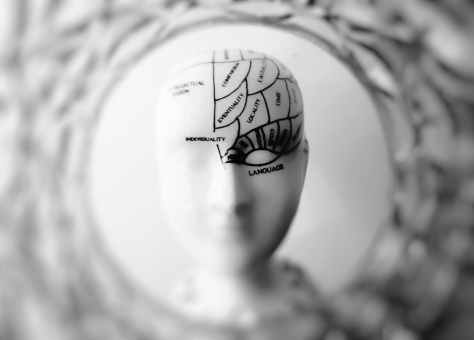
What if your mind’s eye actually held the key to success? There’s strong evidence that actually visualizing certain outcomes can reduce stress and empower you to achieve your goals and dreams. It might sound like voodoo, but it’s actually not! Here’s how it works.

Mind and Muscle
Your brain is connected to your body. Your brain registers things that happen to your arms and legs and ears and lets you know if they’re good or bad. A soft blanket? Good! Stubbing your toe? Bad!

But the connection between your brain and body goes both ways. Imagining an action in your mind can actually improve your performance in real life. There’s plenty of anecdotal evidence for this; legends like Arnold Schwarzenegger and Muhammad Ali were big believers in imagining specific outcomes.(1&2) But there’s also research to back it up. People who imagined exercising certain muscles gained almost as much strength as people who physically exercised!(3)

Visualization can also reduce stress. Studies have found that novice surgeons and police officers who receive imagery training feel less stress and have less objective stress.(4)

Some visualization tips
Imagining yourself on a generic island paradise in 15 years is just daydreaming. The key to effective visualization is specificity. Be as precise as possible. Break down how you’ll achieve your goal or throw that game-winning pass into as many tiny movements as possible, and imagine how you’ll execute each one. Incorporate your senses; what will you smell and hear when you finally achieve that goal?

Verbal affirmations can also help with this visualization process. Take a page from Muhammad Ali, and tell yourself that you’re the greatest every morning before you get breakfast! Even better, say your goal out loud before you go to bed or eat lunch. Writing up a mission statement that you read daily or making a vision board of images that inspire you are also ways to boost your visualization!

Just remember that one of the key strengths of visualization is that you can do it anywhere. Develop your goals, make them as specific as possible, and then start imagining!


(1) https://www.forbes.com/sites/lidijaglobokar/2020/03/05/the-power-of-visualization-and-how-to-use-it/#12e463d66497

(2) https://www.psychologytoday.com/us/blog/flourish/200912/seeing-is-believing-the-power-visualization

(3) https://www.psychologytoday.com/us/blog/flourish/200912/seeing-is-believing-the-power-visualization
(4) https://www.forbes.com/sites/lidijaglobokar/2020/03/05/the-power-of-visualization-and-how-to-use-it/#12e463d66497

HOW HABITS WORK

Hitting the snooze button.Brewing coffee first thing in the morning. Working out right after you leave the office.

Our lives are full of actions that we’re almost unaware of. Many of them just help us get little things done more efficiently. But some habits can have a huge impact on our lives in either a positive or negative way. Here’s a quick breakdown of how habits work and ways to “trick yourself” into better behavior patterns.

Why habits?
The brain likes habits because it craves efficiency. It looks for the path of least resistance when it comes to using energy. Making decisions takes a lot of brain power. Too many choices in a day can leave you feeling mentally exhausted, so your brain looks for ways to cut corners. It starts automating little decisions that you make repeatedly. Brushing your teeth, tying your shoes, and checking your social media are choices you’ve made so often that your brain stops consciously weighing in and seems to just spontaneously make you do them.

So that’s why your brain likes forming habits. But the mechanics of how a habit forms is essential if you’re trying to upgrade your unconscious behaviors!

Cues, Routines, and Rewards
A habit can be broken down into three basic components. It starts with a cue. That’s any kind of trigger that makes you want to do something. Actually performing the action suggested by the cue is called a routine. Following the routine usually results in some kind of reward, either physical or psychological.

So let’s say you’ve developed a habit of eating a cookie with your morning coffee. You wake up, put on the pot, and brew a delicious cup of joe. You instantly start craving the cookie when you smell that medium roast goodness. That’s the cue. You reach into the jar, grab the biggest chocolate chip cookie you can get your hands on, and take a bite. That’s the routine. And the tingling joy and comfort you feel when that life-giving treat hits your tongue? That’s the reward that brings you back morning after morning. But the consequence might be that you’ve put on a few unwanted pounds in the last couple of months.

How to use the habit pattern
It’s easy to see how certain habits can lead to some undesirable outcomes. We tend to form habits around anything that rewards our brains, whether it’s junk food, caffeine, or dangerous substances. But our brains also like things such as observing progress and accomplishing goals.

How can we use this to encourage good habits? Here are a few ideas:

Start really small: Break your desired habit down into pieces and try to regularly perform each one. You might be surprised by how good it feels to accomplish something, which can prompt you to make more and more progress.

Reward yourself: Some activities are very rewarding in the moment. But not everything that’s good for you leaves you feeling accomplished right away. Try something like only playing video games after 30 minutes of reading!

Be patient: Habits don’t form overnight. You’ll probably mess up before it sticks. Don’t sweat the little failures and keep trying until that habit becomes second nature!

Want to Change Your Life in 2021? START with Your Environment

Chances are you’ve come up with some pretty elaborate plans to trick yourself into being more productive.

Have you considered the role your surroundings play in your everyday life? It turns out that one of the easiest ways to bring about change in our lives is actually to change our environments. This is one of the first areas I thought of when I first started E-Class Ventures all those years ago. As a youth I often tried to change my room (as much as I was allowed) to improve my mood with varying levels of success. It ranged from constantly rearranging (pre feng shui craze) to try the make the most of very limited space to painting in perhaps not the best color palette for an already cramped room. All of that to say environment impacts your mood, productivity and this overall wellness.

What if the layout of your bedroom or the distance from your desk to the kitchen was impacting your productivity and decision making? There’s plenty of room for each of us to improve. Here’s how and why making some changes to your environment works.

Your brain is efficient
Making decisions is draining. (Heard of “decision fatigue”? It’s real!) We can only make so many choices per day before we start to run out of steam and need a rest. But we’re faced with countless choices every time we wake up! Should I go back to sleep? Should I shower or brush my teeth first? What will I wear to work? Should I try out that new shortcut to the office? It can become stressful for your brain to struggle with a choice every time one of these little prompts presents itself. That’s why we rely on decision shortcuts called habits.

A habit is just a routine that you regularly perform. Most of the time we don’t even notice that we’re engaging in a habit because it’s second nature to us. And there’s a reason for that. It’s your brain saving energy by going on autopilot to perform an action without having to make a decision. That way you can use the bulk of your mental power on unique and important problems that might pop up during the day, not on thinking about when you should brush your teeth!

Trick yourself into making wise decisions
What does your brain’s love of shortcuts have to do with your environment? Let’s look at an example.

Your alarm clock is right next to your bed. It goes off every morning at 7:30am. It doesn’t take you long to figure out that you can smack the snooze button and go straight back to sleep with hardly any effort. Before long you’re hitting the snooze button every time the alarm goes off without even thinking about it. You’ve trained yourself to sleep in later by making your alarm easier to turn off. But what if your alarm was on the other side of your room? What if to silence it you had to stand up, walk over, and hit a button? That simple change could give you the jolt that you need to wake up and get your day started on time!

Take a look at your surroundings and ask yourself what kind of behavior it encourages. Is it more convenient for you to grab a soda from the fridge or fill up your water bottle? When you work at home, are you in the middle of distractions like the kids playing or too close to the TV? At work (aka as home for a lot of us since the pandemic), does your office layout lend itself to productivity or socializing with your co-workers?

It might take some legwork to get started, but try to arrange your life in a way that makes wise decisions easier. You might be surprised by the results!

What’s one thing you’ve done to change your environment this year that has had a positive effect on your life? How are you going to continue our improve upon that charge for 2021? Share it below.

Jail instead of Mental Healthcare

So as a followup to an earlier post courtesy of Himalee Abeya, I needed to talk about this case happening in Florida. Yes surprise, surprise some more craziness from the Sunshine State. Click on the link below for the background info.

Woman Arrested in Beached Minivan Case.

So this pregnant woman, a victim of domestic violence which speaking from personal experience is traumatic in and of itself, who attempted to take her own life in addition to her children is now sitting in a jail cell still not receiving the mental healthcare she obviously and desperately needs.  What is more they arrested her at the mental healthcare facility.

The article I linked to above says that she had no history of mental illness. In a country that still has such stigma attached to mental health issues and coming from a culture/community that is not prone to openly discussing mental health issues, that isn’t surprising. However her family had attempted to get her help but unfortunately she wasn’t Baker-acted before the incident which now has her potentially looking at spending the rest of her natural life behind bars.

So what do you think?